In 2025, I seriously considered quitting my own agency more than I ever have before. I never got close to actually doing it, but the thought alone was a clear signal: my burnout levels were getting out of hand. As an entrepreneur who’s only worked for himself since I was 21, the loss of autonomy and the feeling of having lost control was a daily grind.
From March to September, I realized I had completely lost control of my schedule and my work. The typical advice to “work less” was useless. The real fix was to regain control, even if it meant doing more of the work I had tried to delegate. I needed to work on my terms again. This is the story of how I went from wanting out in August to being more excited than ever about the agency space.
Go Beyond the Article
Why the Video is Better:
- See real examples from actual client accounts
- Get deeper insights that can’t fit in written format
- Learn advanced strategies for complex situations
What Agency Burnout Actually Looked Like
The year started strong. We had a good client portfolio and a solid hiring plan. I was personally excited to get more involved in Savvy as an agency again. But just two months in, the entire structure broke.
The Trigger: One Client Broke My Entire Structure
A large client came in after letting go of their in-house team. It’s exactly the kind of complex, high-impact case I love, so of course, I was ready to take it on. Normally, it would go to another specialist, but we had no capacity—a good problem for an agency to have. So, I took it on personally.
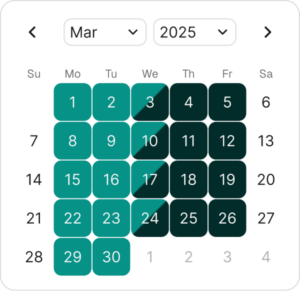
That one decision consumed two and a half days of my week. Half of my working hours, completely unplanned for. I did what I always do: I put the client work in its box. But with another existing client requiring the other half of my week, I was instantly at full capacity. The problem was, I didn’t stop doing anything else.
The Symptoms: When Reactive Work Takes Over
Because I never sat down to plan for this new reality, my entire workflow became reactive. Whatever was the latest, most urgent fire got put out first. This had serious consequences for the entire business.
- Sales & Planning: Sales calls became last-minute urgent activities instead of pre-planned, researched meetings. Agendas for our quarterly planning sessions were shared two days in advance, not weeks, giving no one time to properly prepare.
- Client Management: Client fees stagnated because we weren’t proactively upgrading them to match their evolving needs (and our potential revenue).
- Internal Leadership: Weekly meetings with department heads devolved into ad-hoc conversations about random issues instead of proactive planning around our most important projects. We had no aligned direction, and accountability vanished.
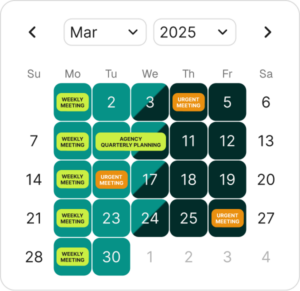
The most damaging consequence, however, was internal. People in the agency, especially department heads, got used to me not finishing tasks by the assigned deadline. That hurt every single week. This was when the burnout really set in, and the “what if” scenarios started. What if the grass is greener in another industry? What if we pivot to a course business? These thoughts were the ultimate proof that something was fundamentally broken. It was time to fix it.
The Fix: A 3-Part Plan to Reclaim Control
One of my biggest personal mantras is: no complaining. You own the business. If you don’t like something, you fix it. So, that’s what I did.
Step 1: Master the Calendar with Ruthless Time Blocking
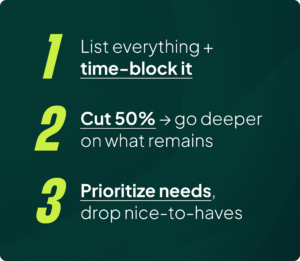
First, I listed everything I had to do—every single task. Then, I time-blocked all of it into my calendar in intervals per day, week, month, and quarter. This simple exercise made it painfully obvious what I had time for and, more importantly, what I didn’t.
The next step was crucial: I actually dropped things. Half of the projects we had planned were cut. For the remaining projects, we spent 20% more time on each one to ensure quality. These YouTube videos, for example, are now structured projects with deadlines four weeks out, not slapped together the week before they go live.
I also de-prioritized anything that was “nice to have” but not “need to have.” Webinars went out the door. I dropped 90% of my speaking engagements. I’ll no longer say yes to speaking at a random AI marketing conference while fighting a sinus infection. It was a poor use of time and energy. Everything is now run through a disciplined system of time blocking in Notion, and it has given me back my autonomy.
Step 2: The Counterintuitive Return to Client Work
Once I regained control of my calendar, my partner and I had a critical realization: our agency’s output (processes, tools, and ideas) is simply better when we, the founders, are actively working on client accounts.
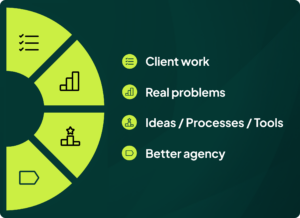
Just two years ago, I forced my partner to get rid of his last client so we could focus exclusively on managing people and building the agency “environment.” The logic was sound: we wanted the agency to be profitable without our personal client portfolios. Otherwise, we might as well just be a team of freelancers.
But as I started managing clients again in 2024 and took on a larger portfolio in 2025, the evidence was undeniable. Being in the trenches gives us better, more practical ideas. In just 12 months of being back in the weeds, we developed:
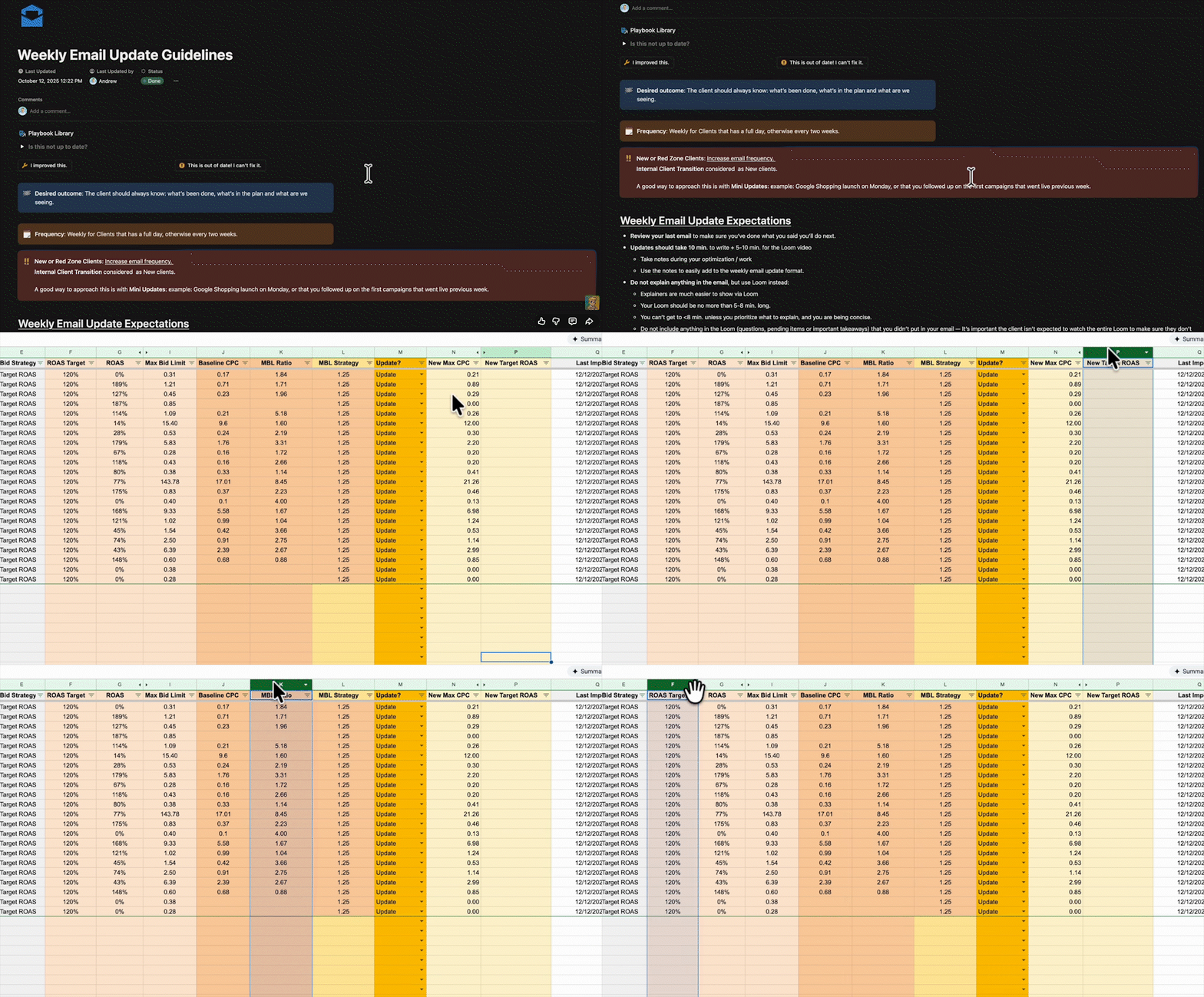
- A new weekly update structure.
- A tool to update portfolio bid strategies across dozens of accounts at once.
- A revamped, non-negotiable approach to project management and note-taking.
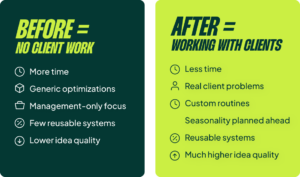
Technically, we have less time for agency management, but the quality of our ideas is so much higher that the trade-off is more than worth it.
Step 3: Deleting 90% of Our Processes (Yes, Really)
We’ve often been called the smallest agency with the most structure, a holdover from my days at a 150-person agency. But over the years, we failed to keep our massive library of over 100 processes updated. It was embarrassing.
We allow our specialists autonomy within certain guardrails, but this led to too many different solutions running across different clients. It became impossible to build tools that worked for everyone or for specialists to easily cover for each other. After debating how to update 100+ documents, my partner asked a brilliant question: “What if we just delete 90% of them?”
So we did. We started the year with a clean slate. Holding onto 100 outdated documents we would never update is like keeping a t-shirt in the back of your closet you never wear. It was scary, but it was the right move.
The Result: Why I’m More Excited to Run Savvy Than Ever Before
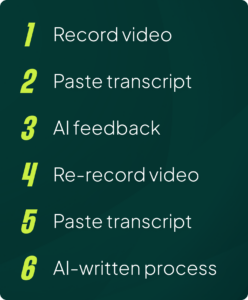
That clean slate allows us to build better, simpler frameworks using Notion AI. Instead of spending hours writing a process, we now record a Loom, get feedback from a custom Notion AI “process coach,” re-record for clarity, and have the AI write the final document. It’s incredibly efficient.
This brings me to the final piece of the puzzle: AI. We haven’t found a way for AI to replace the strategic work we do, but my gosh, it’s an incredible enabler for everything else. It allows our non-coders to build helpful tools. It provides daily feedback and coaching. We use it for non-critical (but time-consuming) areas like job interview prep, meeting notes, and initial drafts of client updates.
By restructuring for my perfect week, re-engaging with client work, and radically simplifying our processes, I’m more excited about this business than I have been in a very long time. AI is the force multiplier that helps it all stick.
[TL;DR]
- Burnout is a symptom of lost control. Reactive work, a lack of direction, and broken accountability are the real problems, not the hours you work.
- Regain control through time blocking and subtraction. List and schedule everything you do, then ruthlessly cut what isn’t essential. Doing fewer things better is the key.
- Agency founders should do client work. Being in the trenches generates higher-quality ideas for tools and processes that benefit the entire agency.
- Radical simplification beats incremental fixes. Deleting 90% of our outdated processes was more effective than trying to update a bloated system. Start clean.
- Use AI as an enabler, not a replacement. AI is a powerful tool for executing non-critical tasks and empowering your team, which frees you up to focus on high-impact work.