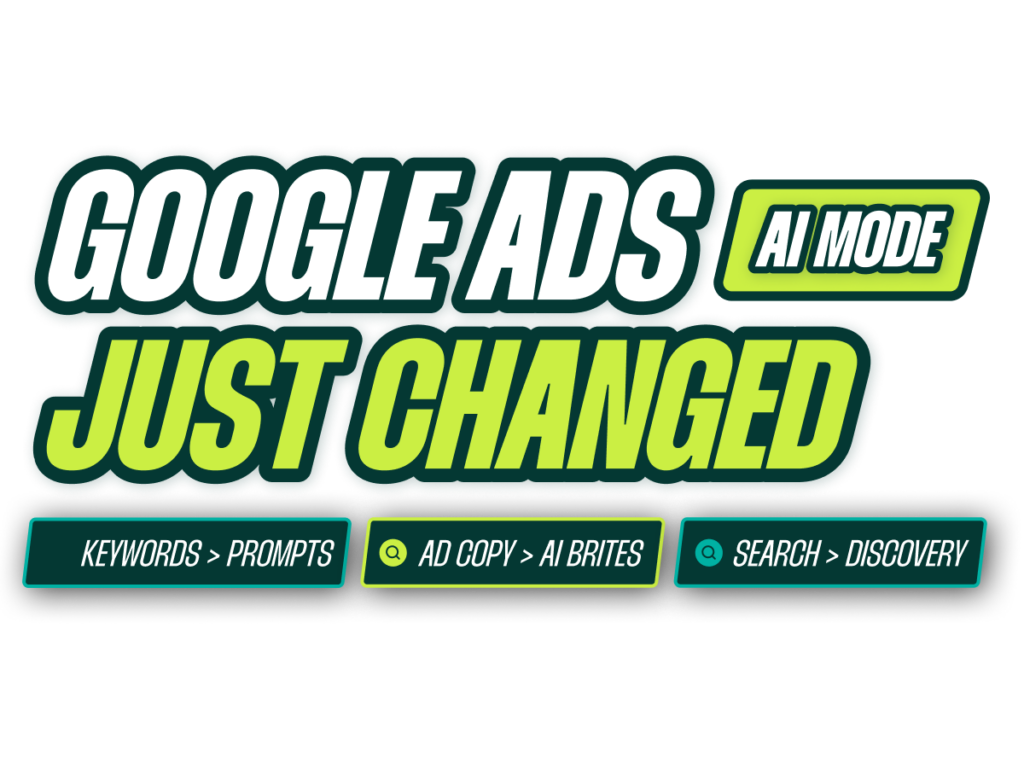
This is the biggest shift in Google Ads history. The move to mobile, the launch of Performance Max, the removal of average position, and the shift to Smart Bidding all dwarf what’s happening with AI in search.
Thinking you can go about things the way you’ve always done them is a mistake. This doesn’t mean you need to rip everything up tomorrow, but within the next 12 months, you better have a plan for everything on this list.
There is always a balance between jumping headfirst into a new trend and waiting until best practices have solidified. I tend to be on the side that waits for the initial fallout. A recent example was PMax. We had clients who thought it would end their need for dedicated Shopping, Search, Display, and YouTube campaigns. Some agencies even rolled everything into PMax, which turned out to be a massive mistake. I’m inherently skeptical about most new things from Google.
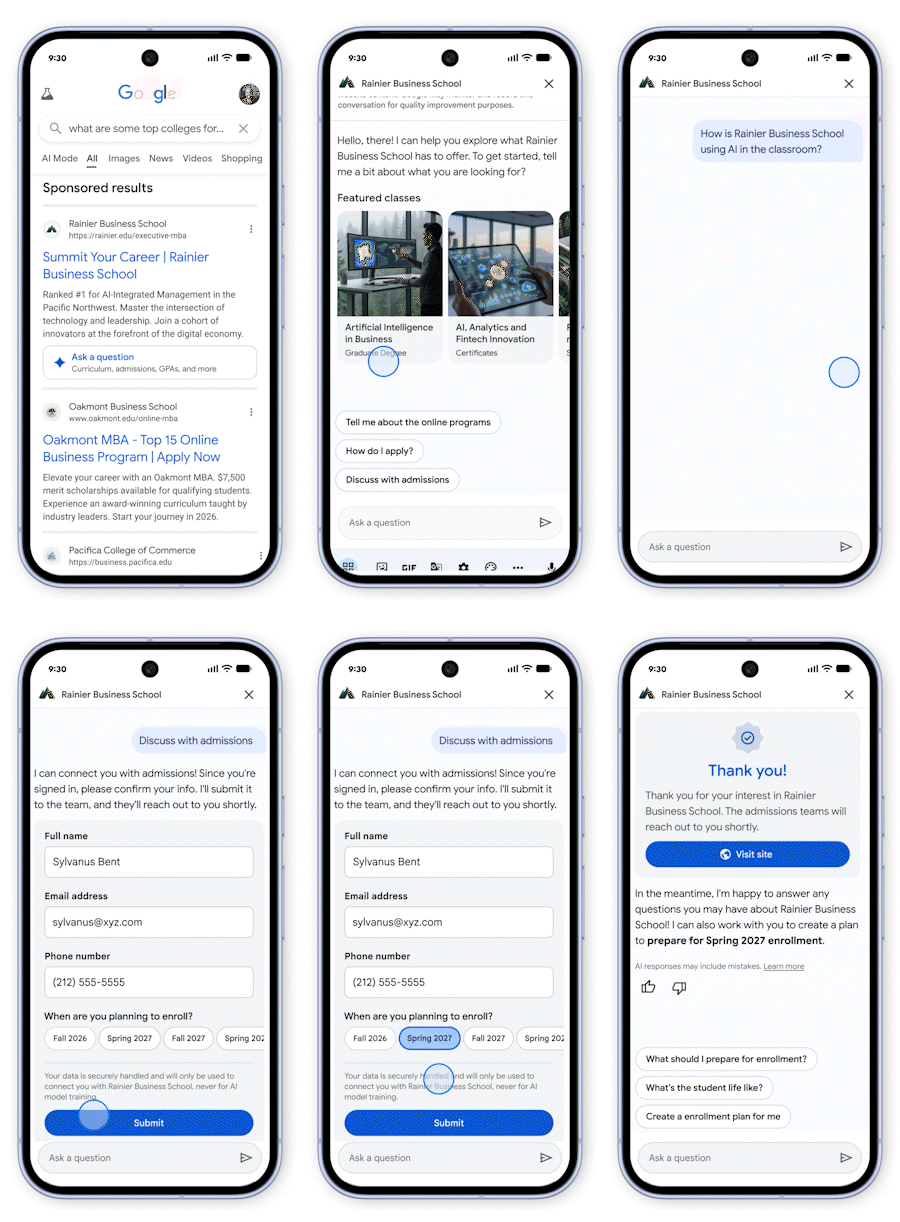
But when the foundations change, you need to pay attention. And that’s what’s happening now.
Go beyond the article
Why the video is better:
- See real examples from actual accounts
- Get deeper insights that can’t be conveyed in writing
- Learn advanced strategies for complex situations
A Fundamental Shift: From Writing Ads to Providing Ingredients
We’re moving from a world of shorter search queries to one of longer, conversational queries. It’s impossible to support ads in this new “AI Mode” with the old way of writing ad copy. We used to write a few headlines that would show up when someone searched a keyword. That’s over.
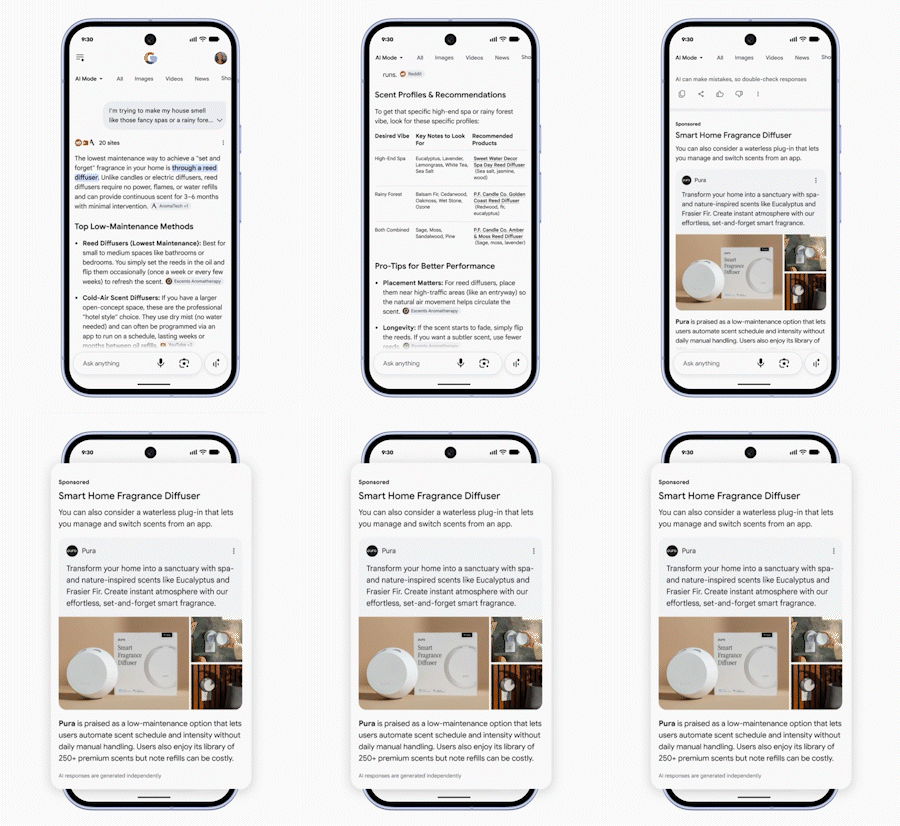
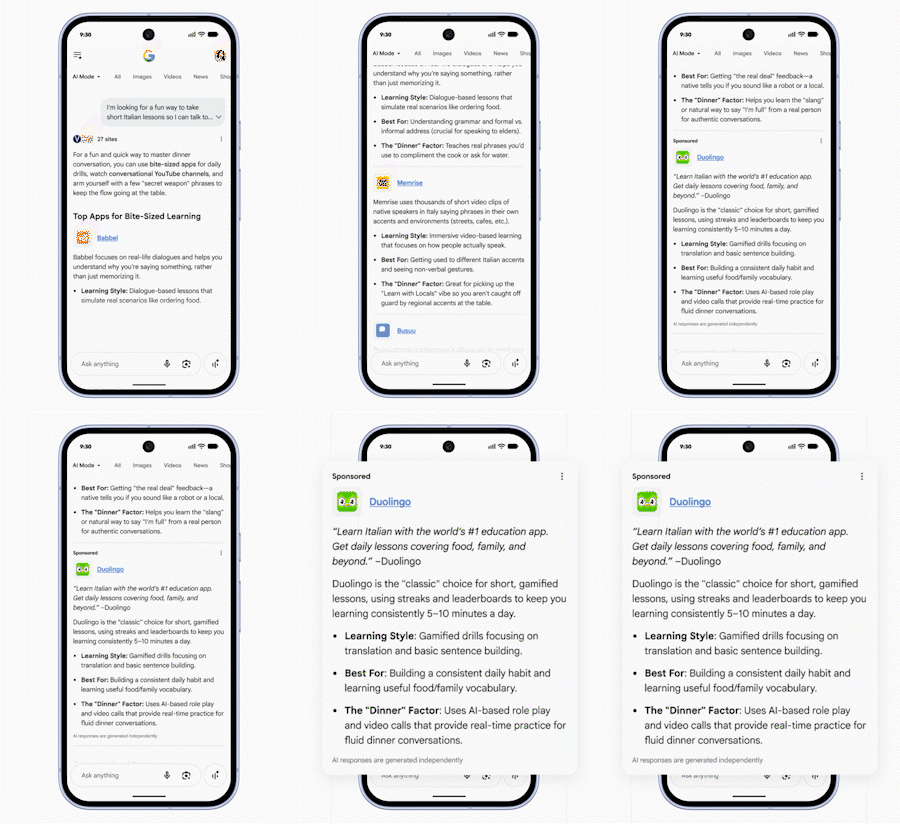
All ad copy for conversational queries will become dynamic and hyper-personalized. This requires a profound shift in how we think about assets. We’re going from writing the final ad copy to giving the AI the ingredients and direction it needs to construct relevant ads on the fly. This input comes in two primary forms.
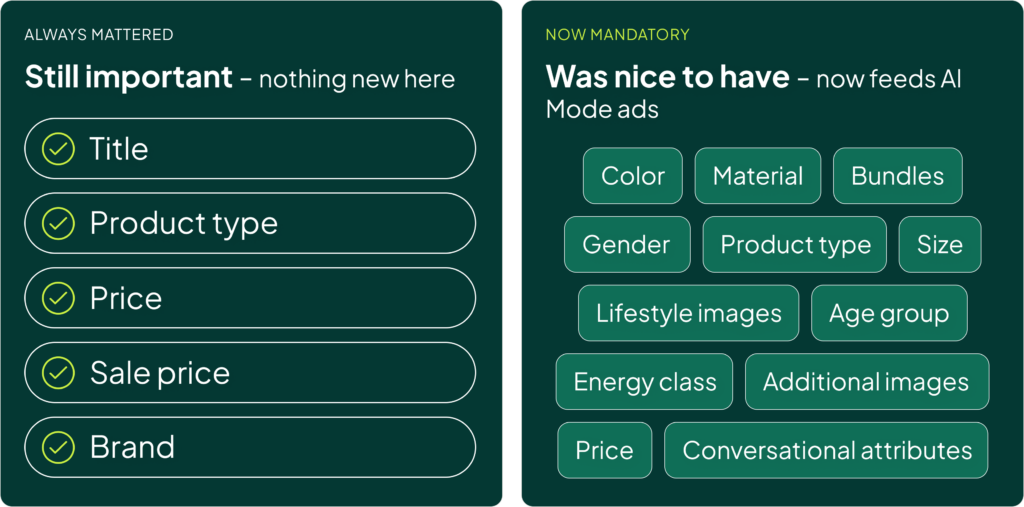
1. Your Product Feed
All those feed attributes I’ve talked about being “nice to have” are now “need to have.” This includes everything from color, size, and energy class to bundles, lifestyle images, and the new conversational attributes. The feed is no longer just a list of products; it’s the raw material for AI-generated ads.
2. The AI Brief
Learning to master AI Briefs and making them part of your weekly workflow will become a key Google Ads skill. This is about providing the AI with direction and context. Most people who have been using prompts for the last year will have a head start here, but it’s a skill your entire team needs to build.
Rethinking Search’s Role: From Transaction to Discovery
Historically, Search has been a poor discovery driver. It was a bottom-of-the-funnel channel. Unless you already knew you wanted a pair of noise-canceling headphones, Search was largely irrelevant for brand discovery.
With AI Mode, a user can go from research to consideration to transaction much faster than ever before. Take this as an example:
Prompt: “I’m going on a transatlantic flight, and I struggle with the constant humming on the plane. It gives me a headache. What are some options to reduce it?”
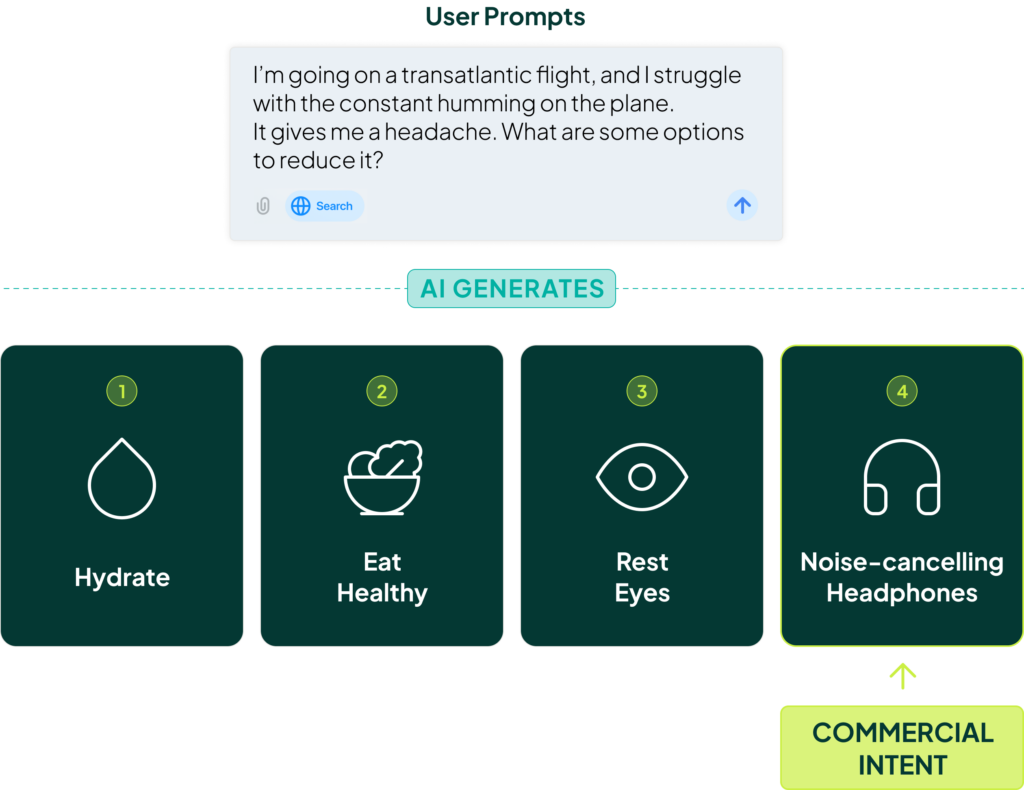
Suddenly, an informational query turns transactional as the AI suggests solutions like noise-canceling headphones. The customer journey can be dramatically shortened, which means your Search Ads can now become a powerful demand generator.
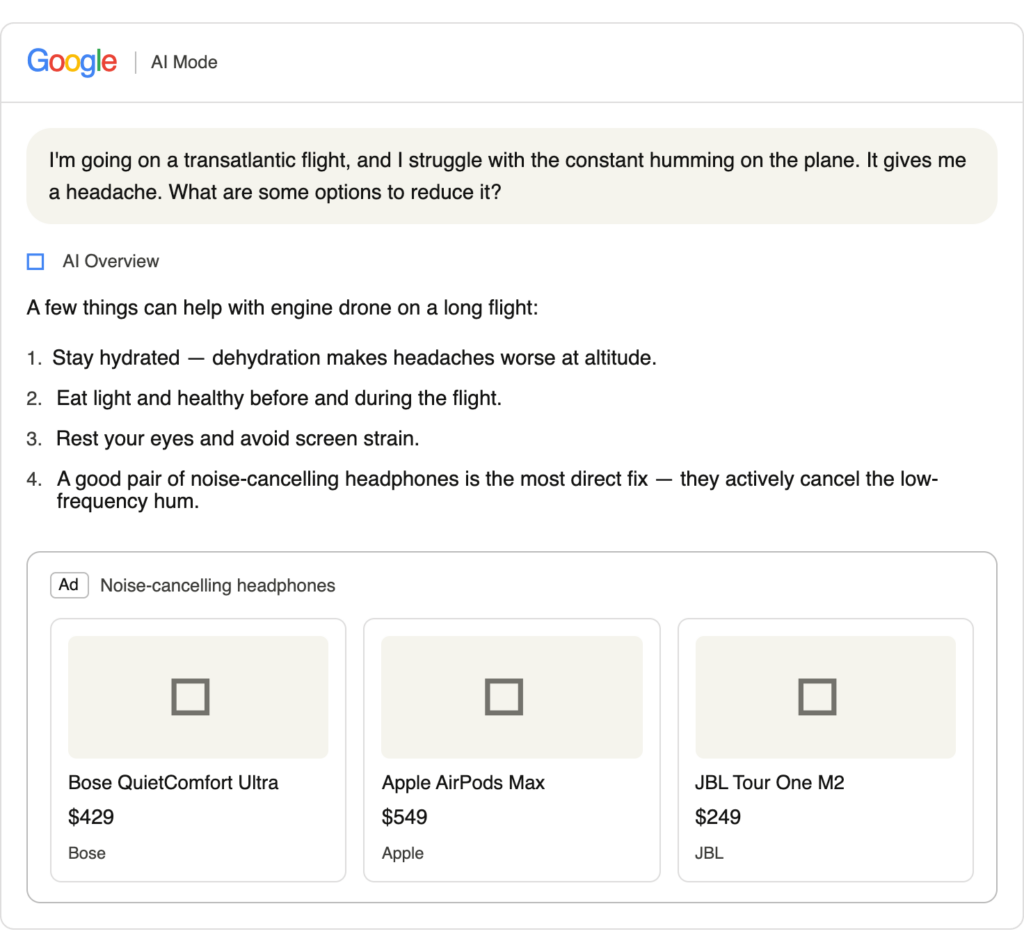
This means you need to reconsider how you think about Search. Perhaps it’s even time to think of AI Mode as a separate channel inside Google Ads altogether. The old KPIs simply might not work for this new world.
Why Your YoY Performance Reports Are About to Break
This isn’t happening overnight, but the change will be subtle until it’s suddenly everywhere. As AI Mode becomes more prevalent, Google has a decision to make: will Shopping or Search campaigns feed the ads in this new environment?
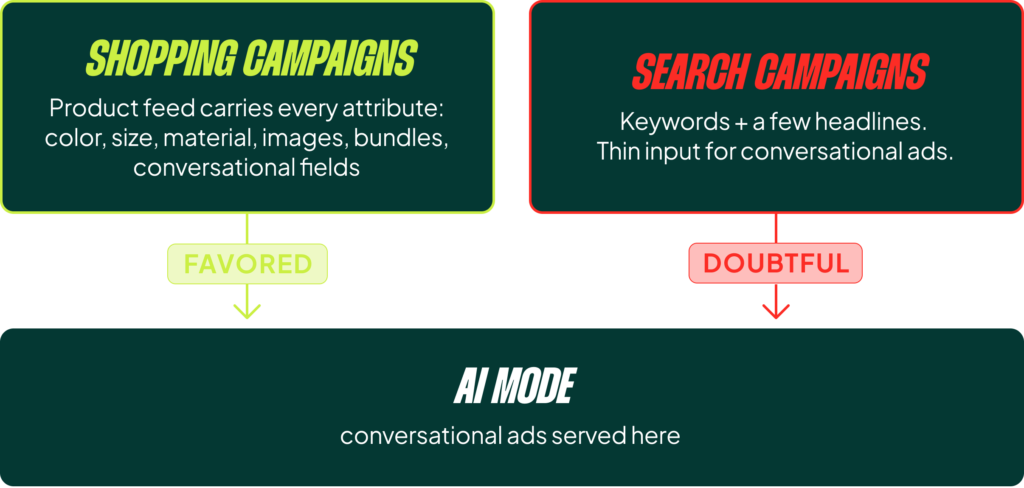
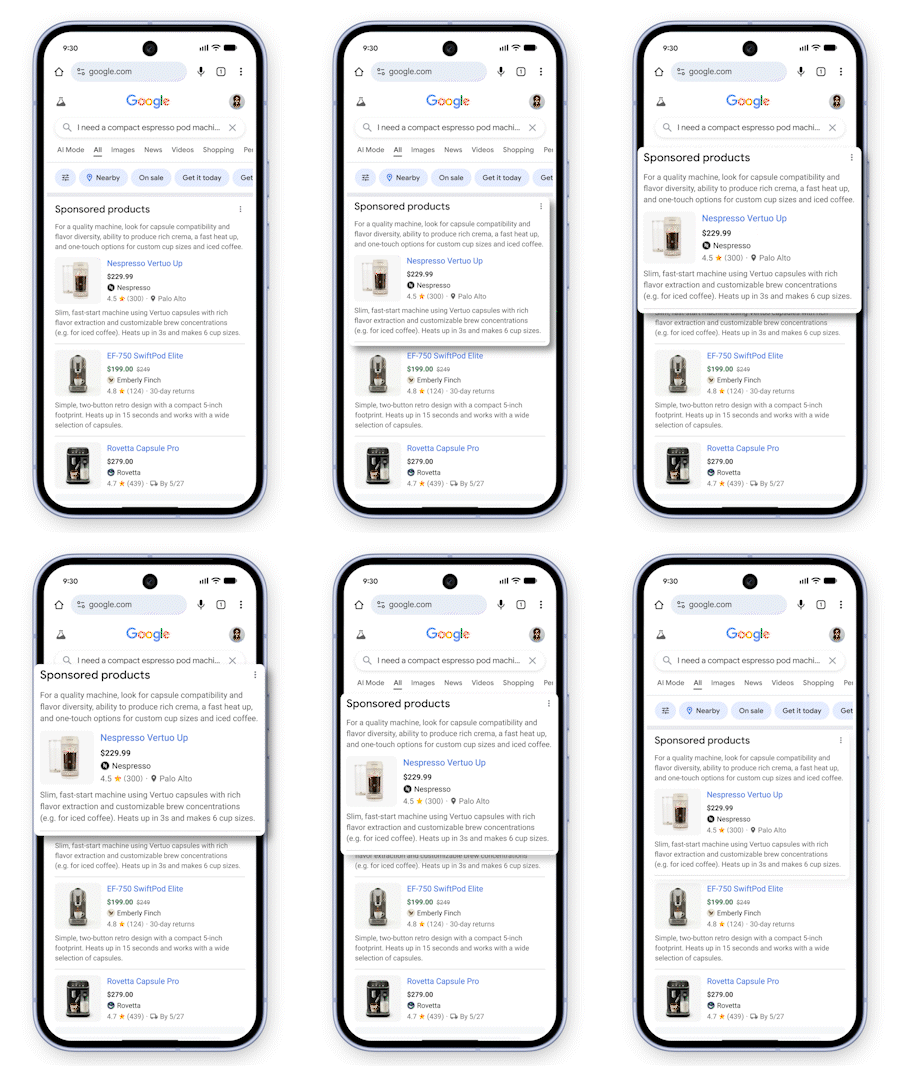
The current feeling is that Shopping Ads are the natural fit. The product feed already has all the attributes needed to construct rich, conversational ads. If that happens, and it’s highly unlikely we’ll see a 50/50 split, we’re going to see a massive shift in traffic.
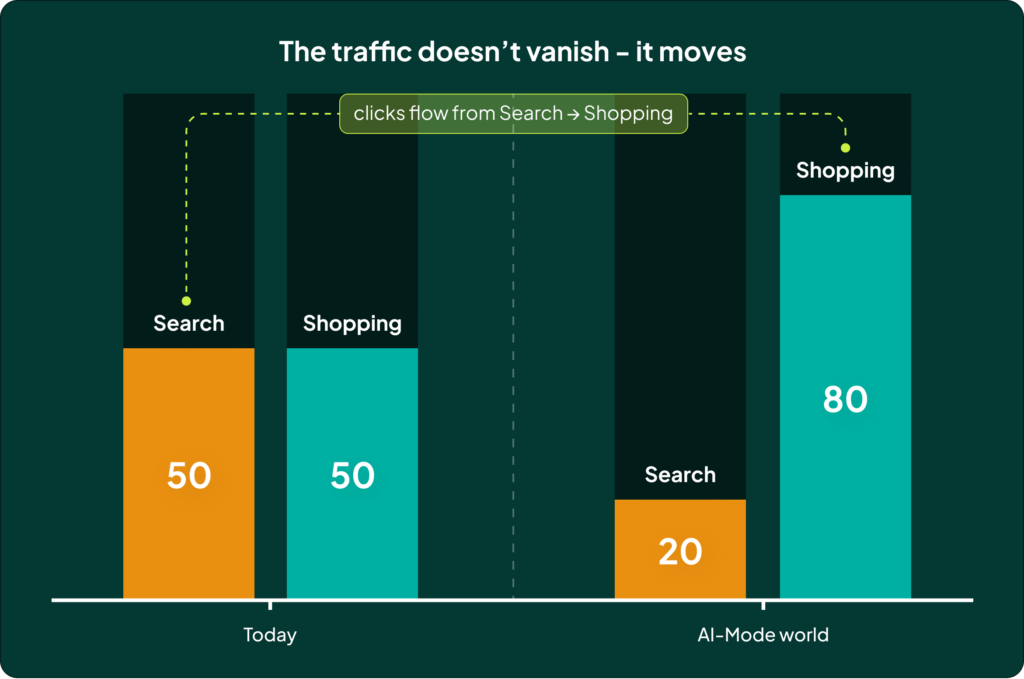
More clicks will go to ads produced by Shopping campaigns, which means fewer clicks on traditional Search campaigns. If you don’t understand this dynamic, you’ll end up chasing your tail, trying to “fix” a downturn in your Search traffic when it’s happening to everyone.
The Solution: Zero-Point Budgeting
The solution is to move to zero-point budgeting. This means you no longer set a KPI based on what happened last year. You need to understand the new landscape and set KPIs that reflect this new reality. You will not get this right at first (nobody will), but the CMOs who navigate this will ensure their teams don’t waste time chasing answers to why Search traffic is declining year-over-year.
The Unbreakable Link: Why SEO Now Drives Paid Success
Investing in SEO has been on a slippery slope. Zero-click searches, ads taking up more space, and now AI. But regardless of the turmoil, it seems SEO is about to get a resurgence as the core foundation for paid advertising in AI Mode.
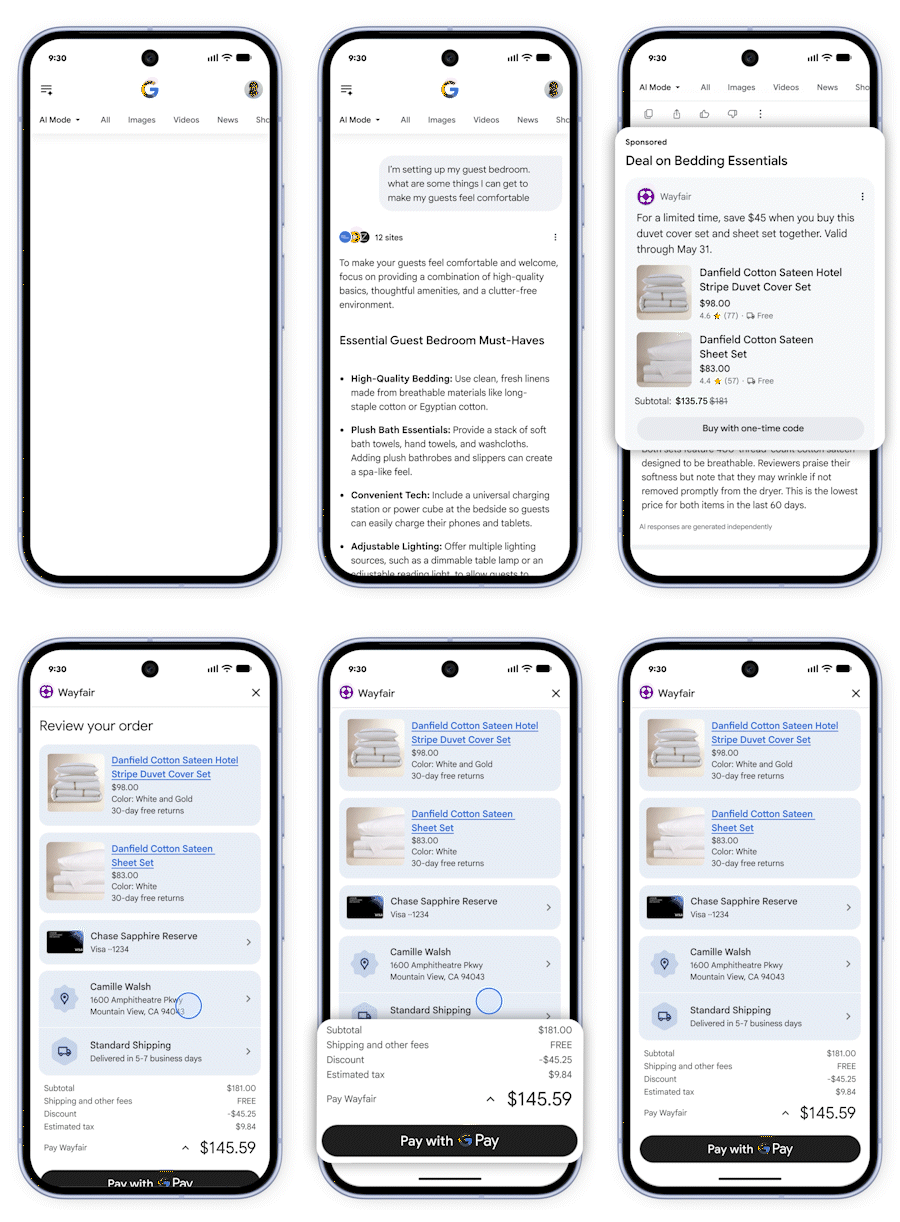
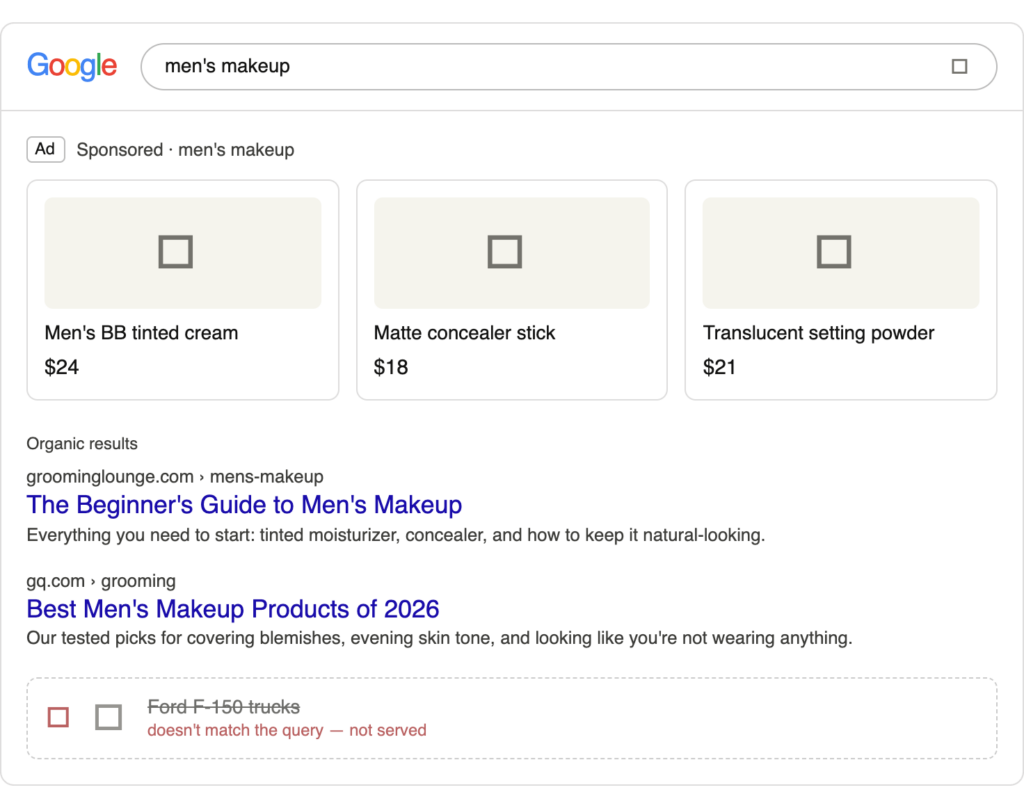
Here’s why: The organic AI answer is generated first, and only then does the ad system find a sponsored result that fits the conversation. Your ad has to live inside the environment created by the organic response.
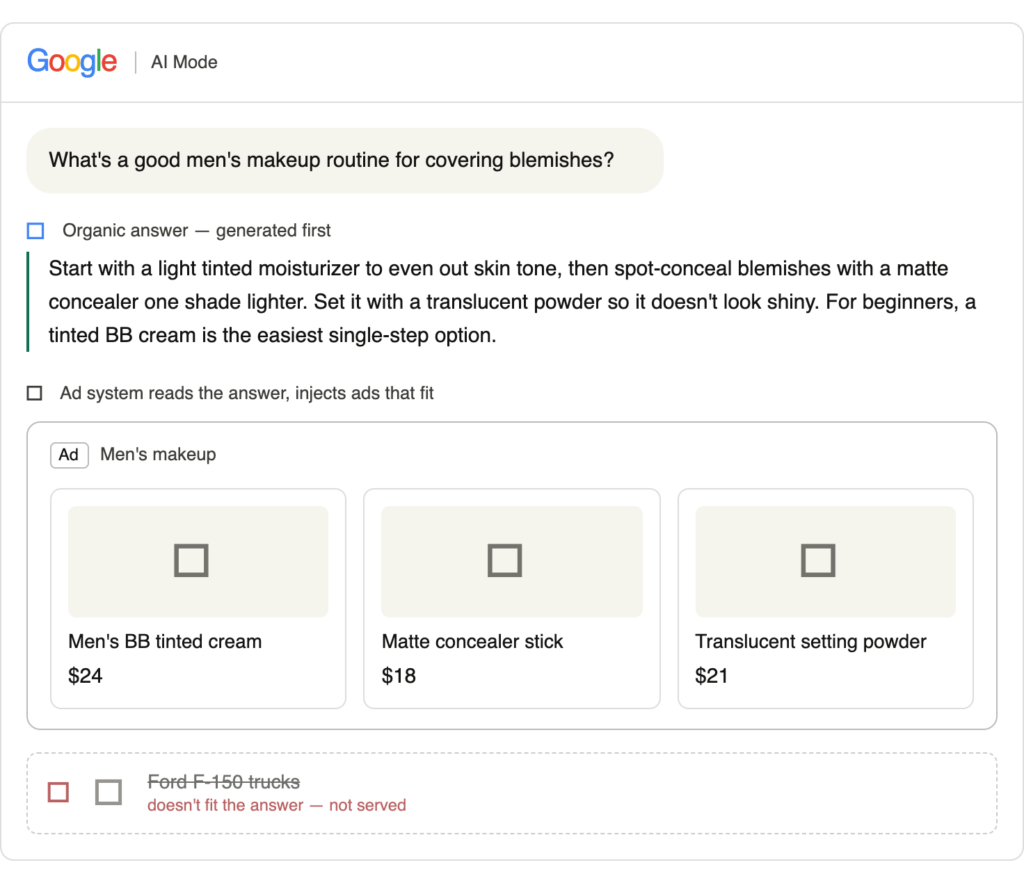
This is the part most CMOs will miss. If the AI answer says something negative about your category or brand, you don’t just have a reputation management problem; you have an ad-serving problem. Paid media can’t just brute-force its way through with a higher bid anymore. In AI search, organic and paid are no longer two separate worlds. Your SEO is the foundation for your paid AI ads.
A Necessary Battle: Who Owns the Feed?
 If product feeds are now critical for organic discovery in AI Mode, who owns them? Traditionally, anything “organic” falls under the responsibility of the SEO team. But organic product feeds are a different beast.
There are two potential avenues here: SEOs learn feed optimization from scratch, or PPC teams take ownership of the product feed for SEO purposes. I think it’s a long shot to ask SEOs to learn feed optimization. It’s not that they can’t, but it’s an unnecessary new skill set when the expertise already exists elsewhere.
As a CMO, you have to make the decision of who owns this area. At Savvy, we’ll be putting our foot forward to take responsibility for organic product feeds, and I believe all PPC teams should do the same.
The New Playbook is Still Being Written
I didn’t buy into the craze about PMax, and I’ve been skeptical about many new Google features over the years. Most of them are overhyped and don’t change the fundamental playbook: match the search query to the right ad and send traffic to the most relevant landing page.
But this is different. The very foundations are changing. We no longer fully:
- Choose the keywords we show ads for
- Get to write the ads ourselves
- Know what landing page is ideal
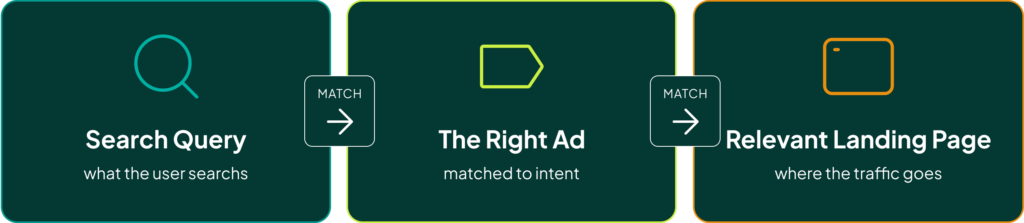
This is why I’m paying attention now. When the fundamental aspects of running well-functioning Google Ads campaigns start to rock, you have to be ready to write a new playbook.
[TL;DR]
- Shift From Ad Copy to “Ingredients”: Your job is no longer to write the final ad but to provide the AI with high-quality inputs via rich product feeds and detailed AI Briefs.
- Search is Now a Discovery Engine: AI Mode collapses the customer journey, turning informational queries into transactional opportunities. Your KPIs for Search must evolve accordingly.
- Adopt Zero-Point Budgeting: As traffic shifts from traditional Search to AI-powered Shopping ads, historical YoY data will become misleading. Base your budgets and targets on the new reality, not the past.
- SEO is the New Foundation for Paid: The organic AI answer creates the context where your ad appears. A weak or negative organic presence will directly harm your paid performance.
- PPC Teams Must Own the Product Feed: The expertise for feed optimization already sits with your PPC team. They should take responsibility for both paid and organic product feed performance.